- Context
- Educational social-media campaign / portfolio project (provisional)
- Role
- Visual design, campaign layout and content presentation (provisional)
- Category
- Graphic Design
Project Summary
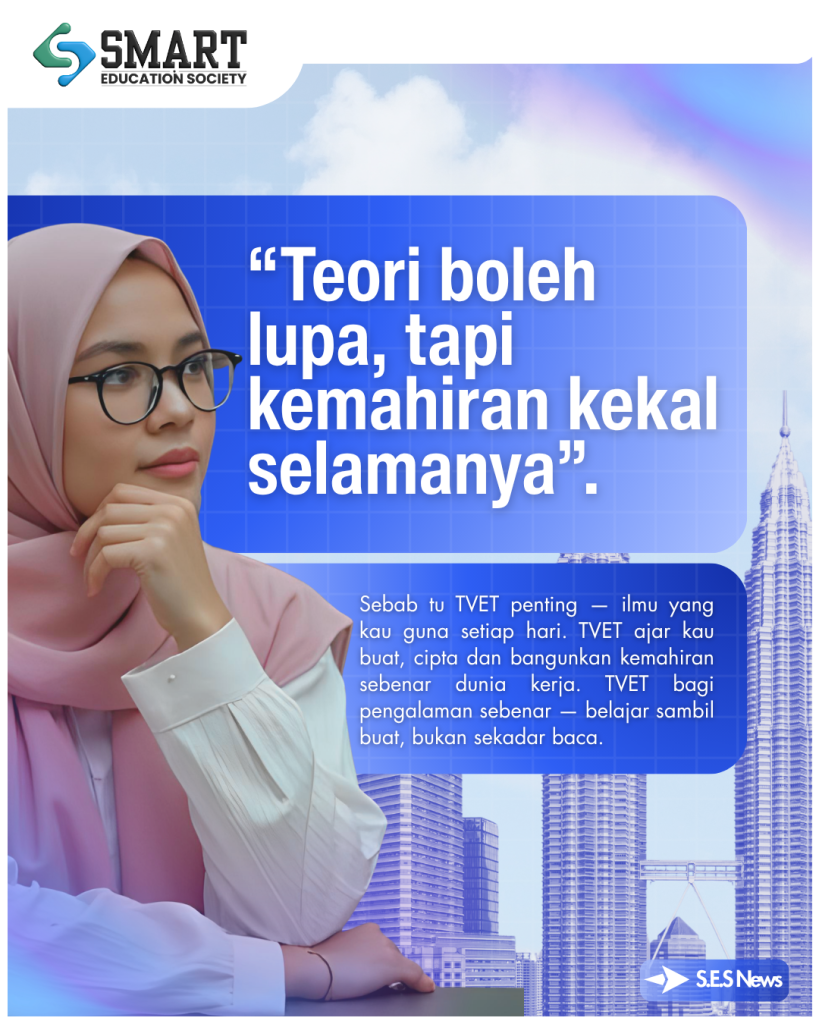
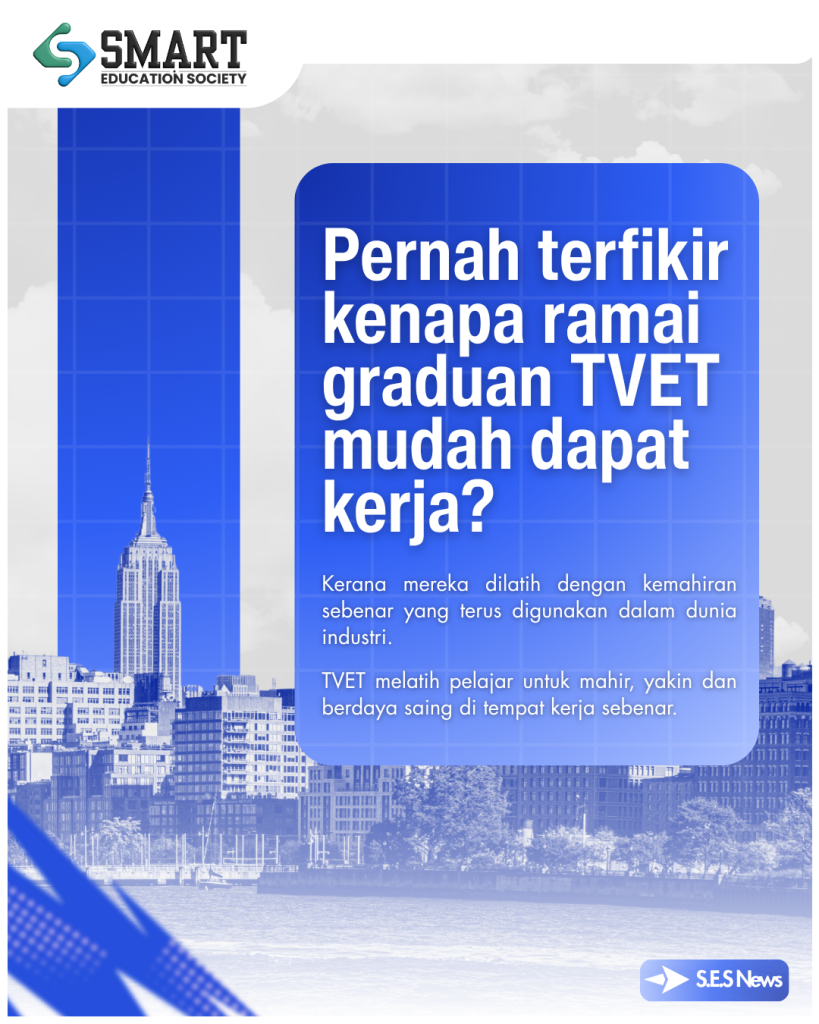
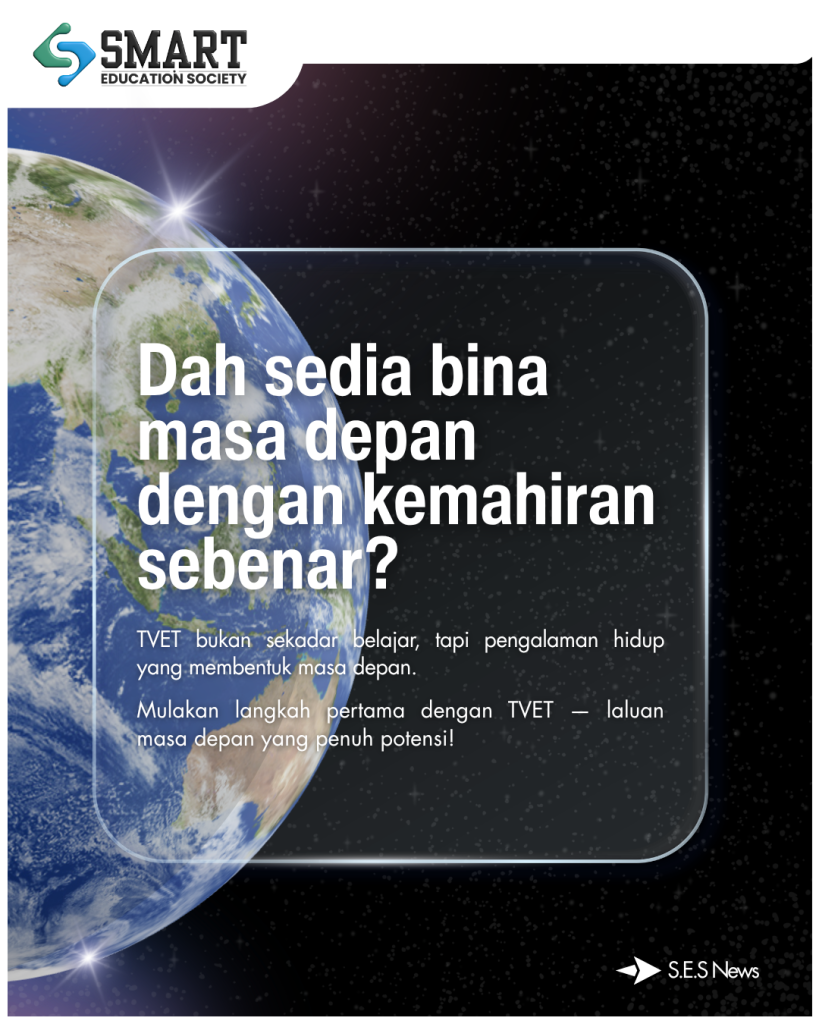
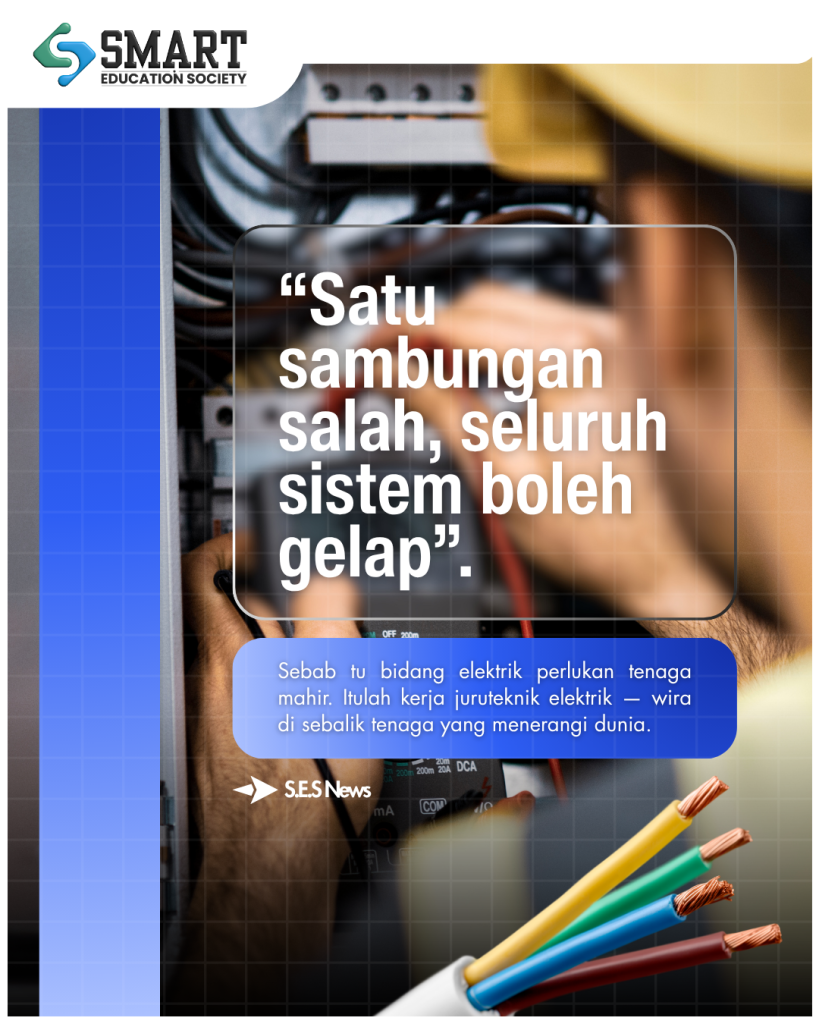
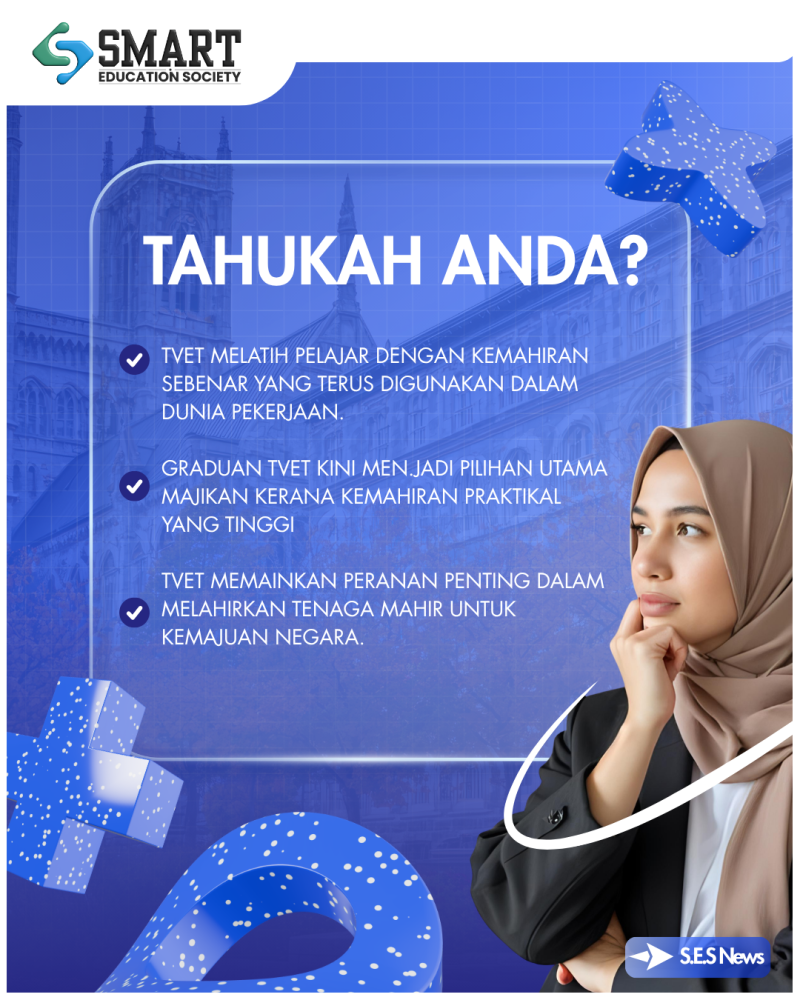
A five-post social campaign that presents TVET education through a consistent visual system, structured information and portrait-format layouts.
Idea / Concept
The concept is to make technical and vocational education feel current, accessible and relevant to young audiences. A unified campaign language connects messages about skills, employability and future opportunities.
Technique / Approach
Portrait social-media canvases use repeated brand colours, clear headline hierarchy, framed imagery and modular information blocks. Consistent alignment and spacing help the five posts read as one campaign rather than isolated graphics.
Creative Process / Idea Generation
The provisional process begins by grouping the campaign messages, identifying recurring visual elements and establishing a repeatable grid. Each post then adapts the system to a different topic while preserving hierarchy, colour and brand recognition.
Tools / Software
Canva (embedded export metadata). AI-assisted composite elements are flagged in two exports; exact scope and source assets require confirmation.
Final Outcome
A coherent five-piece campaign suitable for sequential social publishing or presentation as a compact visual communication system. Copywriting contribution, platform and campaign performance remain to be confirmed.
Behind the Work
This provisional case study interprets the submitted five-post TVET campaign as an exercise in turning educational information into an approachable social-media system. The central challenge was maintaining a recognisable visual identity while giving every post enough flexibility to communicate a different message. Repeated colours, portrait proportions, framed photographs and consistent headline placement help the series feel connected. Information is divided into short, scan-friendly sections so viewers can understand the main point before reading supporting details. A likely workflow began by reviewing the campaign themes, grouping related messages and establishing a modular grid that could be reused across all five layouts. Each composition was then adjusted around its image, headline length and information density while retaining the shared visual language. The final set demonstrates consistency, hierarchy and campaign thinking beyond a single poster. Before publication, Ammar should confirm the organisation relationship, project year, exact software, source-image permissions, copywriting contribution and intended platform. Any verified campaign objective or audience response can then strengthen the final outcome section.
Gallery